Based on the valuable lessons learnt from its previous programmes, in 2023 the Foundation launched its newest and most innovative organisational development programme for charities and social enterprises.
The Incubation Programme offers complex and tailored organisational development via workshops, individual expert consultations, peer learning opportunities and financial support. Through these means, the Foundation hopes to help charities and social enterprises to operate in a stable, sustainable and professional way even in the rapidly changing social, political and financial environment of our current times. The professional partner of the programme is SIMPACT.
The Incubation Programme focuses on the following development areas: 1. Strategic goals and impact measurement 2. Fundraising 3. Corporate partnerships 4. Communication 5. Leadership and organisational development, including volunteer management 6. Financial management and planning 7. Process management 8. Business planning (for social enterprises)
The structure of the programme:
The programme consists of three phases: a workshop phase, a one-on-one development phase and a capacity building phase.
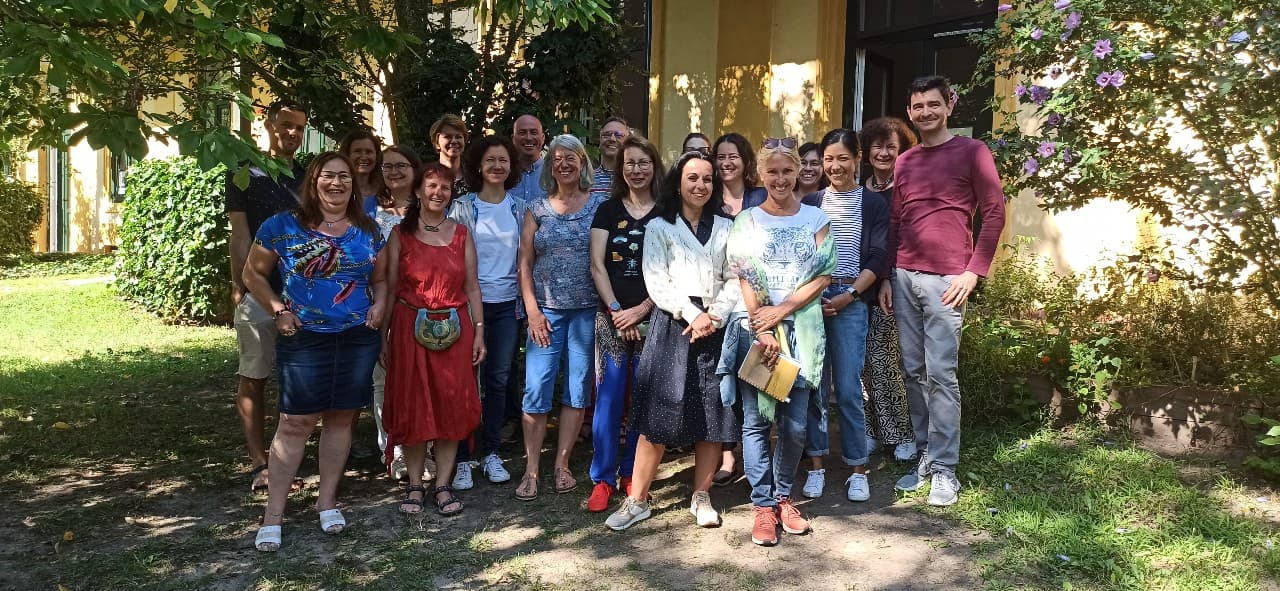
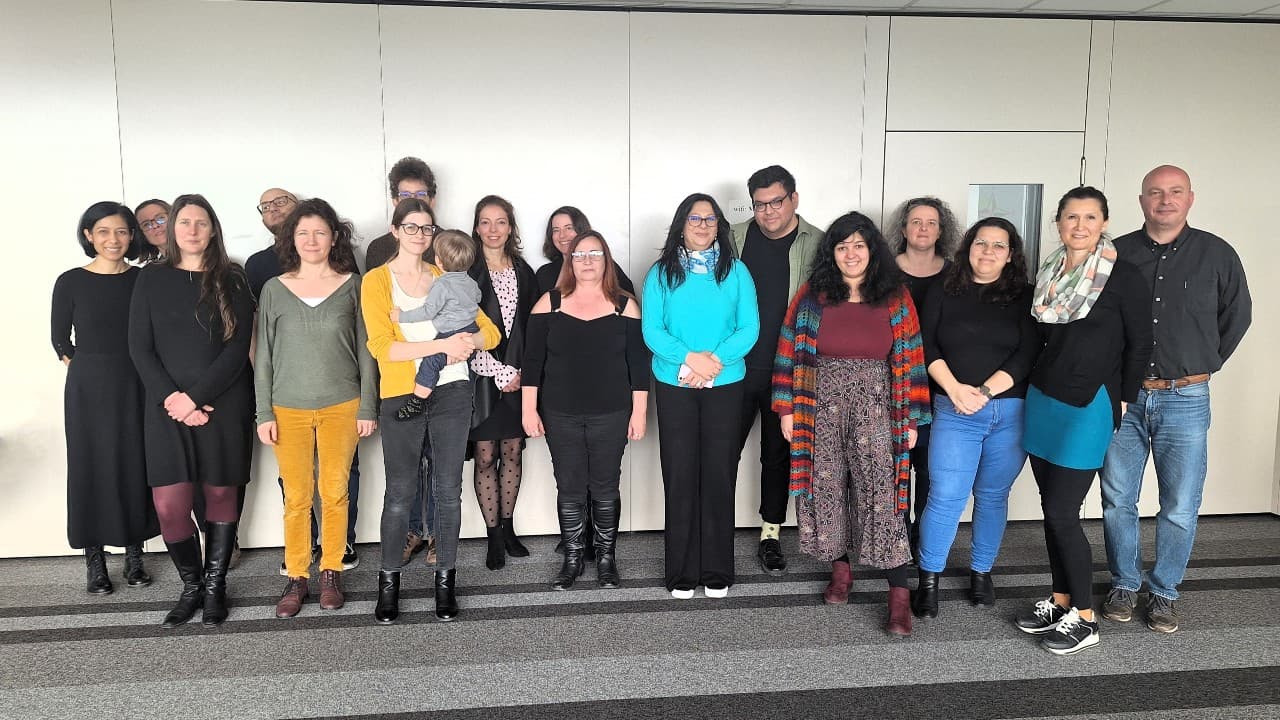
1. During the workshop phase (March – June 2023), organisations participated in different workshops, starting to form their self-diagnosis and development plan.
2. In the one-on-one development phase (July – November 2023), organisations detailed their development plan with the help of individual expert support and volunteer mentors. At the end of this phase, their self-diagnosis and development plans were complete and they presented them to the Foundation.
3. In the implementation phase (2024-2026), organisations receive customised professional and financial help tailored to their needs, and work towards the goals identified in their development plans. The plans are reviewed on an annual basis and the Foundation awards further financial and professional help as needed. Opportunities for peer learning and community building among the organisations are also an essential part of this phase.
Awardees:
After reviewing the development plans, the Foundation awarded professional and financial support to the following organisations:
1. Dr. Ambedkar School (Dr. Ambedkar Iskola)
Dr. Ambedkar School provides opportunities for a better quality of life for highly disadvantaged youth through quality secondary education and extracurricular activities. Through its first grant (2024–25), the Foundation supported improvements in the School’s financial management and organisational development with the help of external experts, contributing to greater stability and long-term sustainability. In 2026, the Foundation provided partial funding for a communications and fundraising role to increase visibility and donations, further strengthening the School’s sustainability.
2. Anonymous Ways Foundation (Névtelen Utak Alapítvány)
Anonymous Ways supports the rehabilitation of victims of human trafficking and sexual exploitation: from healing and recovery to reintegration into mainstream society. The Foundation provided several grants in 2024-2026. With this help, the organisation contracted external experts to work on its fundraising strategy, internal processes and Theory of Change. The Foundation also provided multiple grants towards staff salaries.
3. BHRG Foundation (BHRG Alapítvány)
BHRG aims to give every child a chance for a fuller, happier life. It focuses on helping disadvantaged children facing developmental or attention difficulties through a unique movement therapy (TSMT and HRG) along with supporting parents/carers and professionals. With the help of the Foundation, the organisation hired a fundraiser and developed a fundraising strategy in 2024. Plus, the organisational structure was adjusted with the help of an organisational and leadership development expert. The Foundation also provided in-house professional support with developing a Theory of Change and towards the programme design of the organisation’s new initiative (a volunteer programme focusing on the development of disadvantaged children). In the following years (2025-2026), the Foundation awarded a grant towards the salary of the volunteer coordinator and towards printing costs to produce educational publications for parents.
4. Diversity Foundation (Diverzitás Alapítvány)
Celebrating diversity is at the core of this organisation’s mission, as they promote environmental diversity along with the social integration of vulnerable groups. The organisation used the Foundation’s grant (2024–25) to strengthen strategic thinking and improve internal processes with the support of a team coach and a process management expert. During this period, a fundraising strategy was also developed to diversify income sources. The Foundation supported this work by providing funding for fundraising expertise and contributing to the salary of a fundraiser. In 2025, the Foundation awarded an additional grant for external expertise to support the development of an impact measurement system.
5. Egyesek Youth Association (Egyesek Ifjúsági Egyesület)
Egyesek currently delivers its community work with disadvantaged youngsters via local partners in Nógrád County, in one of the most disadvantaged regions of Hungary. In order to increase social impact, the organisation aims to open its own youth centre in Szécsény (in Nógrád County) whilst keeping its outreach work via local partners. To help the organisation achieve these objectives, the Foundation provided partial financial support towards the purchase and refurbishment of the youth centre in 2024. The centre will offer diverse activities aimed at social development and the empowerment of disadvantaged youth. The Foundation also provided professional support to enhance the organisation’s fundraising efforts in order to ensure the long-term sustainability of the youth centre.
6. Shelter Foundation (Menhely Alapítvány)
Shelter Foundation provides vital support for homeless people by operating shelter homes in Budapest and Pest County, and running social integration programmes. Having finished the one-to-one development phase of the Incubation programme, it became clear that a deeper organisational diagnosis was required due to the complexity and size of the organisation. First, the Foundation supported further consultations to create a comprehensive organisational diagnosis and development plan. Based on the development plan, Shelter Foundation further worked with organisational development experts in order to develop the management team’s leadership skills, set up an employee evaluation/feedback system and to improve strategic planning. These development activities (spanning over 2024-2026) are co-financed by the Foundation.
7. UCCU: Roma Informal Educational Foundation
UCCU’s mission is to dismantle stereotypes and decrease prejudices against the Roma community, mainly via informal educational activities in schools and thematic walks in Budapest and Pécs. In 2024, with financial support from the Foundation, UCCU aimed to enhance the professionalism and efficiency of its team with the assistance of an organisational and leadership development expert. To support ongoing operations, the Foundation provided core funding towards a staff salary in 2025. Guided by fundraising experts through the Foundation’s grant, the organisation developed and implemented a fundraising strategy in 2024 and ran a successful fundraising campaign in 2025 to increase and diversify its income sources. Building on this initial success and to strengthen in-house capacity, the Foundation awarded support for a part-time fundraiser post for 2026–27. In 2026, the organisation will also receive support to engage an external expert to lay the foundations for an impact measurement system.
Throughout the years of implementation (2024-2026), the Foundation continues to follow the above development processes, as well as providing professional support to address and tackle any implementation challenges.